

There’s a moment I keep coming back to.
I am in Japan. December 2025. I am sitting across from the decision-makers of one of the country’s most respected heritage brands. And they are not happy. They are asking hard questions about our product. The kind that, if left unanswered, end partnerships.
My title? Technical Support Engineer.
I walked out of that same meeting with them going from unhappy to inviting me to their office. That wouldn’t happen if Swym ran a traditional support org. It happened because Swym doesn’t.
Because at Swym, titles are never really the full story.
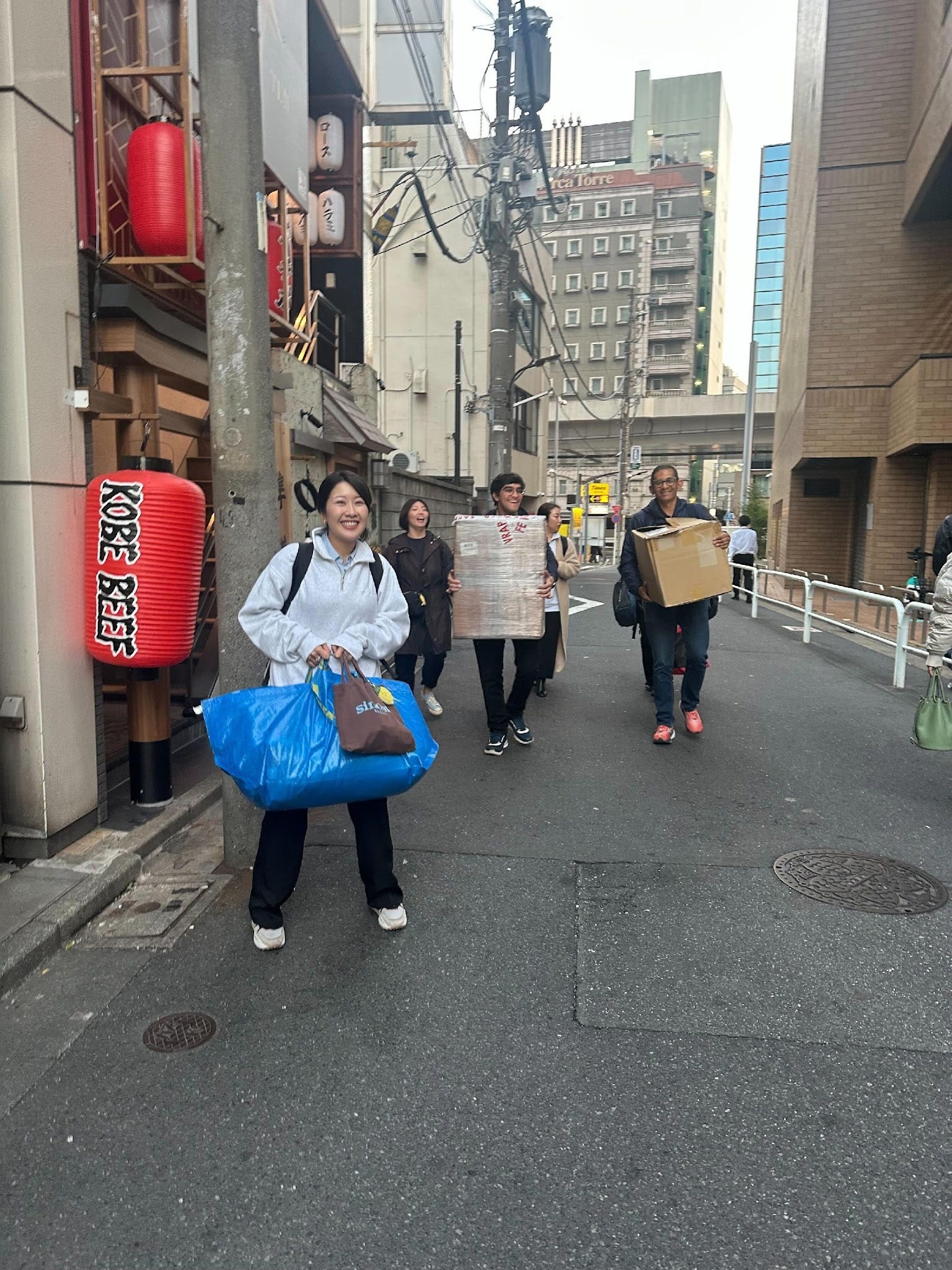
Eshan somehow ended up carrying the heaviest box. Tokyo streets, December 2025.
Where It Started: Day One
I joined Swym as a Customer Experience Intern in January 2024. I was fresh out of VIT Vellore, curious, and had no idea what I was walking into.
The first signal that things would be different came early. Within my first few weeks, I wasn’t just resolving issues. I was being asked to understand why they happened. Senior engineers would walk me through root cause analyses. I was encouraged to exhaust every possible explanation before asking for help. The bar wasn’t “did you close the ticket.” It was “do you actually understand what went wrong.”
My first big debugging note earned a comment from a senior engineer, Kiran: “Good debugging by Eshan.” I have thought about that line more times than I can count. Not because it was flattering, but because it told me exactly what kind of place I had joined. Curiosity wasn’t a nice-to-have. It was the baseline.
At most companies, a support engineer is a translator: they turn a user complaint into a ticket and hand it to someone else who fixes things. What I found at Swym, from the very start, was that the expectation was different. You were meant to understand the problem well enough to fix it yourself wherever you could, and to make a genuinely useful contribution when you couldn’t.
Six months in, I converted from intern to full-time Technical Support Engineer. The title changed. The philosophy that had been shaping me from day one stayed exactly the same.
Growing Into the Role: The Part Nobody Warned Me About
Here is what nobody warned me about working at a fast-moving product company in a support role: the job grows with you, sometimes faster than feels comfortable.
Within the first year, I found myself doing things I had no formal training for: reviewing product launches before they went live, catching issues that would have affected thousands of merchants, and sitting in with the Product team not to give a quarterly summary of what support was seeing, but to work through actual merchant problems together so product decisions were made with real context rather than filtered reports.
I was writing documentation the whole team would use, mentoring junior team members, onboarding new senior hires, and contributing to discussions about where the product should go next.
None of this was in the job description. All of it was expected.
The moment that tested me most was when a new feature was close to shipping. There was momentum, there were timelines, and everyone was excited. But after my testing, I wasn’t convinced it was ready for merchants. So I said so. Brought the specific scenarios, the data, the reasoning. It was an uncomfortable call to make. The deployment was held, we fixed what needed fixing, and the launch happened cleanly.
Looking back, that moment taught me more about what Swym actually values than any onboarding document could. They didn’t want me to nod along. They wanted me to think, and then say what I thought, even when that was inconvenient.
Building, Not Just Supporting
Somewhere in the middle of all this, something shifted in how I thought about the job.
I had gone from someone who resolved problems, to someone building systems to prevent them. I was designing automation flows that would turn a support interaction into a product growth moment without any human needing to intervene. I was contributing directly to the codebase, acting as the primary support point of contact for third-party integrations, and doing work that at another company would have sat in an entirely different department with an entirely different job title.
A big part of what made this possible was Swym’s relationship with AI. While a lot of companies were still figuring out what AI even meant for their business, Swym had already committed to being AI-first. That wasn’t a slogan. It was a leadership decision that filtered into how every team operated, and it meant I was being actively encouraged to rethink entire workflows from scratch, to build things that had no precedent inside the company, and to move fast. Working here genuinely prepares you for the world as it is right now, and as it will be, not as it was five years ago.
A month I spent with the team in Bangalore crystallised this. It was 2am on more nights than I’d like to admit, learning tools I had never touched, rebuilding systems from scratch when a better approach emerged, all while keeping up with regular work. The kind of month that is genuinely hard while it is happening and, looking back, is exactly the thing that accelerated everything.
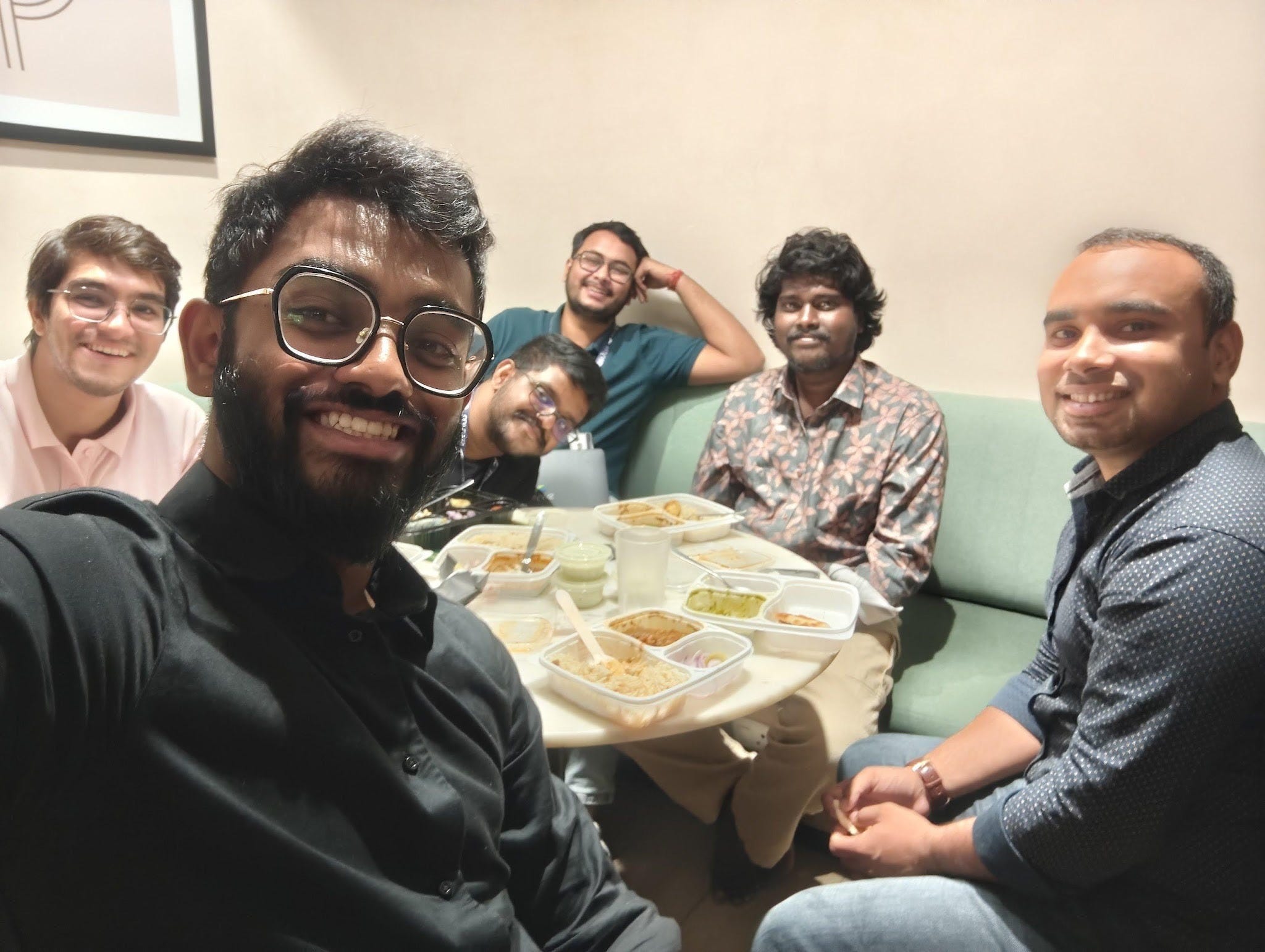
The Bangalore sprint. 2am sessions, new tools, and the kind of month that changes how you think about what you’re capable of.
The People. This Is the Part That Actually Matters.
I need to talk about something that is hard to put into words without it sounding like something off a careers page.
We are a remote-first company. That means fewer meetings, more async work, and a culture built around trust rather than presence. There was one particular team catchup in Bangalore where I wasn’t fully present. Something was going on personally, and I just wasn’t there mentally. I didn’t say anything. I figured I’d push through.
Arvind, our CEO, noticed. After the meeting, he set aside time just to sit with me and ask if I was ohkay.
Not a performance note. Not a follow-up task. Just: are you ohkay?
And that wasn’t the first time. In a remote-first company where the CEO is across time zones and carrying a hundred things at once, he still notices when someone on the team is off. That is not something you can fake or policy your way into. It is just who the people are.
Sonali, my manager, has pushed me in the best possible way: by genuinely seeing what I was capable of before I saw it myself, creating the conditions for me to get there, and having my back whenever it counted, even without me knowing.
AJ, my director, has been the person who gave me room to take on things well outside my lane, and trusted my judgment when it mattered. The fact that I ended up in Japan representing the company internationally is, in no small part, because of the confidence he placed in me.
And it is not just them.
I have disagreed with people senior to me. I have said “I don’t think this is right” in rooms where it would have been much easier to stay quiet. Every single time, I was heard. Sometimes I was right and changed the outcome. Sometimes I was corrected and learned something. But I was never, not once, made to feel that speaking up was a risk.
That psychological safety is rarer than most companies will admit. At Swym, it is just how things work.
The leaders at Swym are the kind I hope to become.
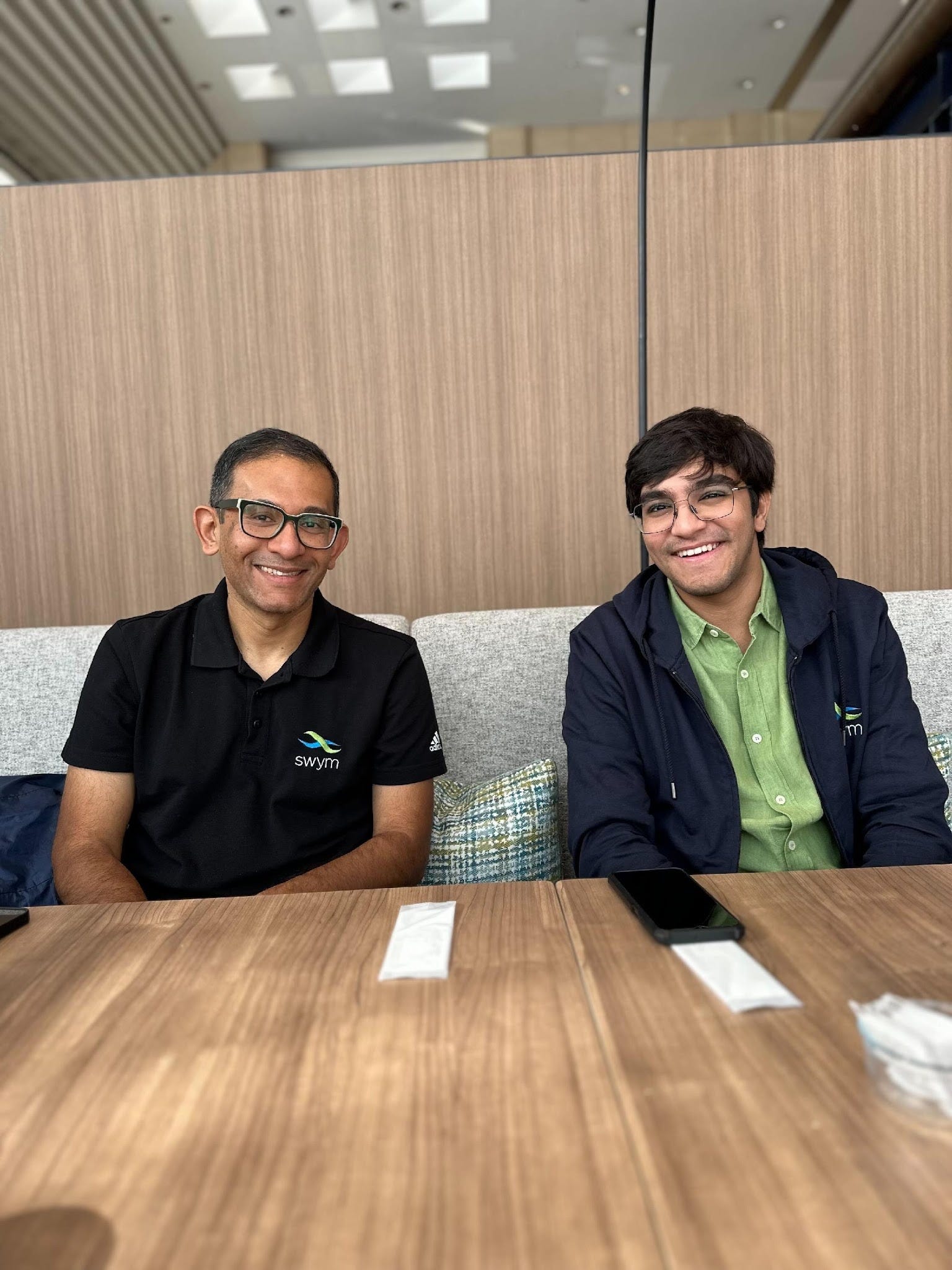
With Gopal, VP Swym, in Tokyo. December 2025.
Japan: Where It All Came Together
Back to that room.
In December 2025, I flew to Tokyo to represent Swym at a joint conference and dinner with merchants and agency partners across Japan. Not as part of a sales team. As the technical person on the ground, because my team believed I was the right person to be there.
Walking into that conference, it felt a little surreal. I had spent two years understanding this product from every angle, and suddenly I was using all of it in a room full of Japanese merchants and agency decision-makers, with a language barrier, no safety net, and real relationships on the line. But it also felt strangely natural. Like everything I had been doing had been quietly building toward exactly this kind of moment.
The conference was followed by an invite-only dinner with some of the most important agency partners in the market. The conversations were informal but went deep: technical gaps, product opportunities, what Swym could do better for the Japanese market. The kind of feedback that doesn’t come through a support ticket and doesn’t make it into a quarterly report unless someone was actually in the room to hear it. That is the kind of investment Swym makes, because when partners grow, the product grows, and it is the people on the ground who make that happen.
Swym put me on that ground.
I came back with new merchant relationships, strengthened existing ones, and market insights that fed directly into product planning. The work I did there shaped decisions that outlasted the trip.
That is what the role can become at Swym, if you let it.
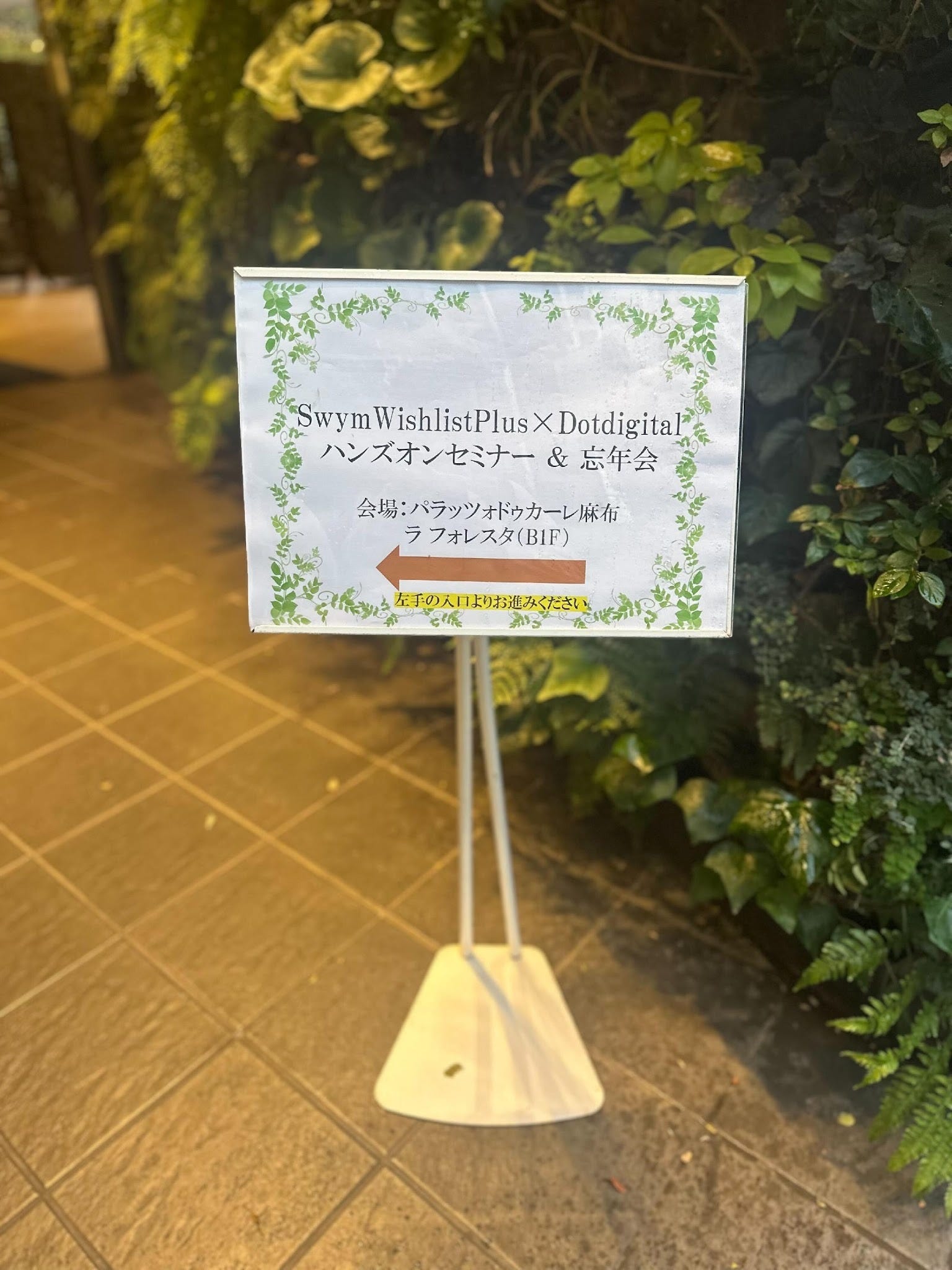
The Swym x DotDigital conference, Tokyo. December 2025.
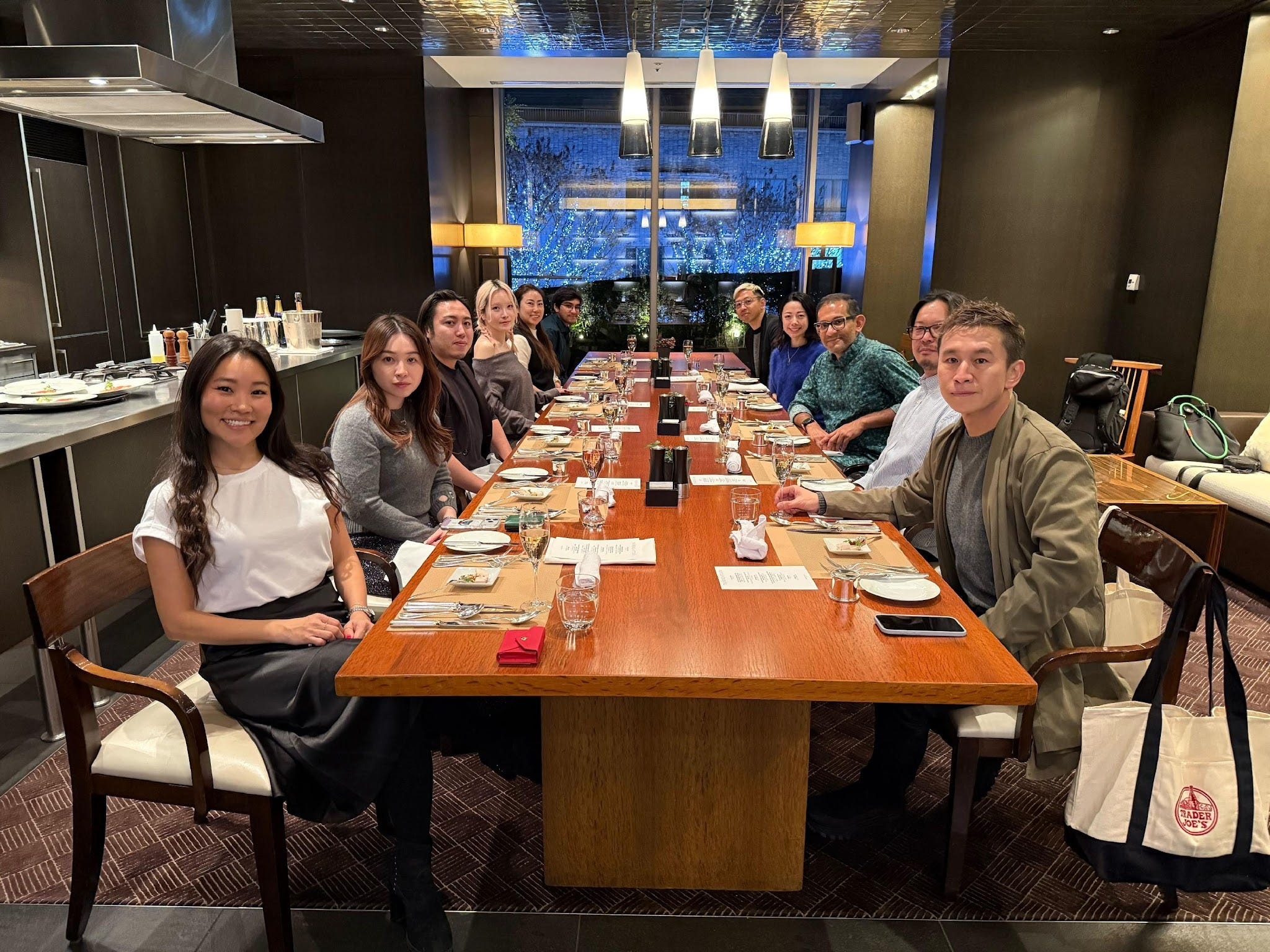
The invite-only dinner with some of Japan’s top agency partners.
What This Role Actually Is
If you’re considering joining Swym in a customer experience or support capacity, here is the honest version of what the job looks like.
You will handle support tickets. You will also shape the product. You will answer questions. You will also be the person who prevents those questions from ever needing to be asked. You will learn things you weren’t hired to know. You will be trusted before you feel ready. The work will expand to fill your curiosity, and then stretch a little further.
You will also be working in an environment that is genuinely AI-first, not as a talking point but as a lived reality. That means you will be expected to think about how AI can change the way you work, not just use the tools that already exist. In a world where AI literacy is fast becoming the most important professional skill there is, that kind of environment is rare and genuinely valuable.
The thing that makes Swym different is not just what you end up doing. It is that the people around you, at every level, are genuinely invested in your growth. You are not a headcount filling a function. You are someone they are actively trying to develop. And when something is going on with you personally, they notice.
In about two and a half years, I went from nervously resolving my first ticket to representing the company internationally, contributing to the codebase, achieving the highest quality audit score on the team, shaping product decisions, and mentoring people who are now starting the same way I did.
To Anyone Considering This
Swym is not for everyone. If you want clearly defined edges to your role and a scope that stays comfortable, this will push you in ways that don’t always feel good in the moment.
But if you want a place where the ceiling is defined by how far you’re willing to go, where the people above you are genuinely rooting for you, and where you will be treated like a person first and an employee second, I think you should take a hard look at this place.
I’m still a Technical Support Engineer. Depending on the week, I’m also a product quality gatekeeper, an automation builder, a technical presence in the field, and a mentor to people starting out exactly the way I did.
The title stayed the same. Everything else kept growing.
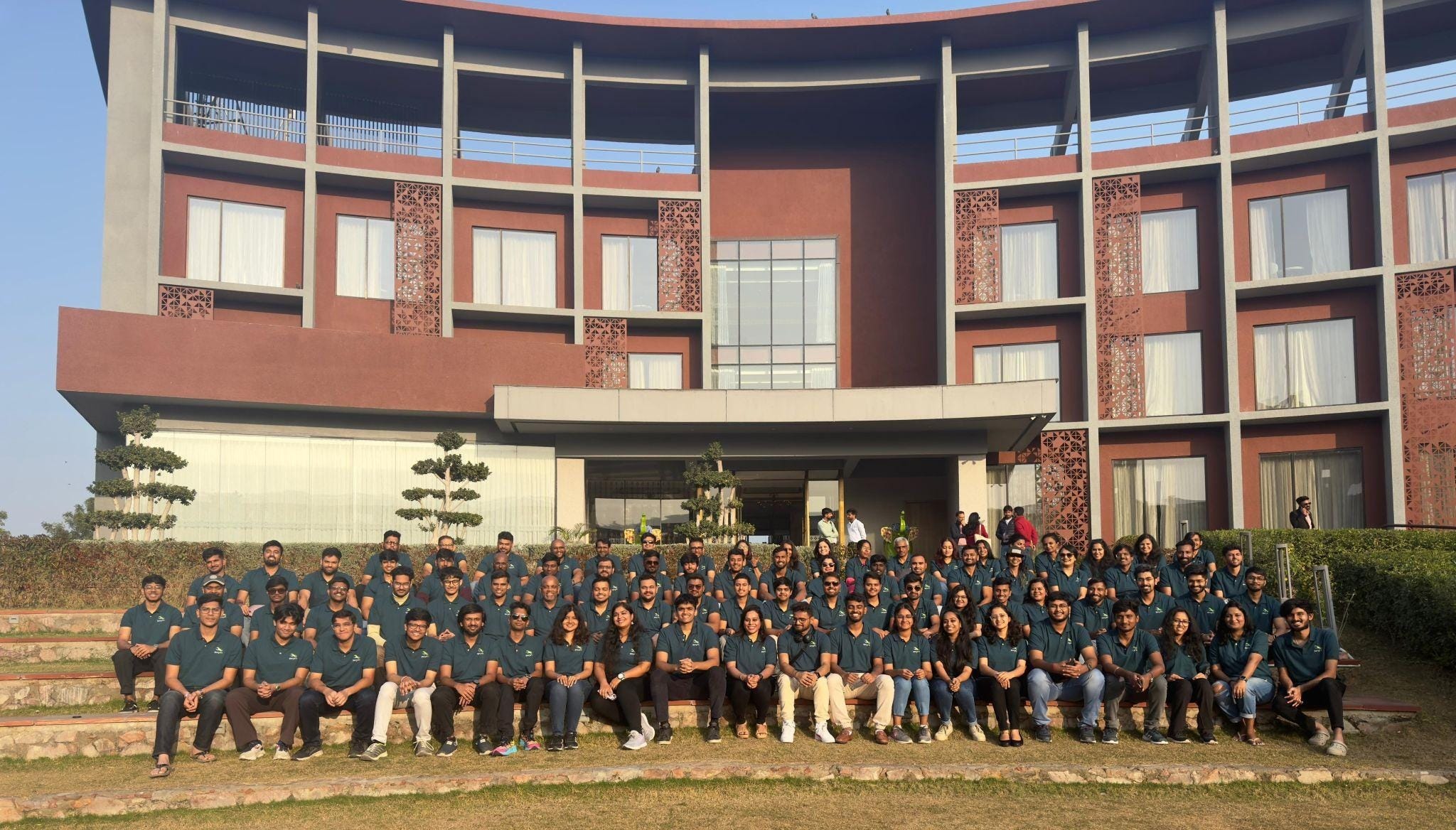
The Swym team. The people you’ll work with, grow with, and probably stay up until 2am with.
Eshan Sunam Bajaj is a Technical Support Engineer at Swym, working across product quality, AI automation, integrations, and merchant success. He joined as a Customer Experience Intern from VIT Vellore in January 2024. (Also posted here)